POLYCAB 1.1KV 3.5C*95SQMM ALU. ARM. LT CABLE About
POLYCAB 1.1KV 3.5C x 95 SQMM ALUMINIUM ARMOURED LT CABLE
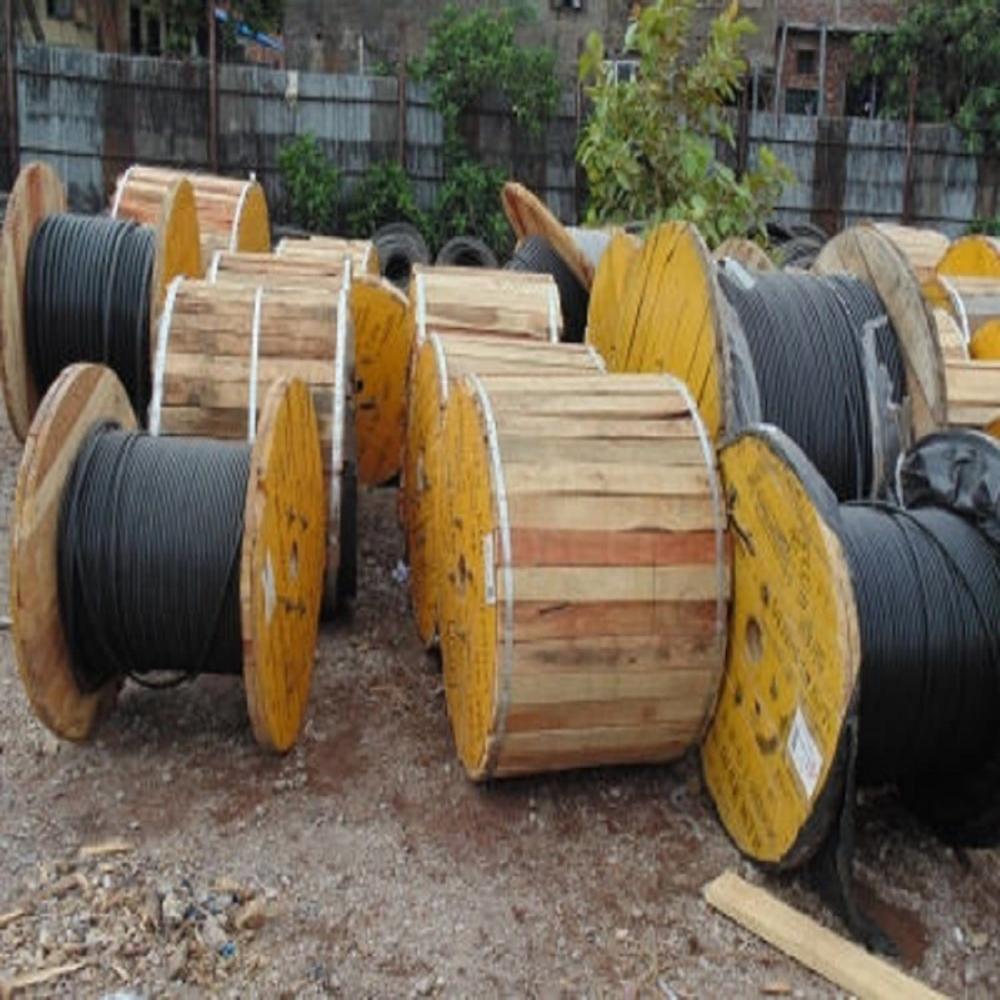
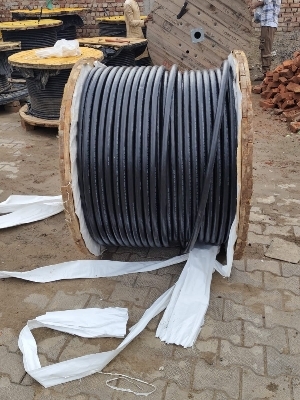
The Polycab 1.1kV 3.5 Core x 95 sqmm Aluminium Armoured LT Cable is a robust and efficient low-tension power cable, widely used for safe and reliable distribution of electricity. With high-grade aluminium conductors, XLPE/PVC insulation, and strong armouring, it offers superior performance in industrial, commercial, and utility applications.
-
Rated Voltage: 1.1kV (Low Tension)
-
Conductor Material: Aluminium
-
Conductor Size: 95 sqmm
-
Number of Cores: 3.5 Core (3 full cores + reduced neutral)
-
Insulation: XLPE/PVC insulation for excellent dielectric strength and thermal resistance
-
Armouring: Galvanized Steel Strip/Wire Armour for strong mechanical protection
-
Outer Sheath: Heavy-duty PVC sheath, resistant to heat, moisture, oil, chemicals, and UV radiation
-
Standards: Manufactured as per IS 7098 (Part-1) / IS 1554 (Part-1)
Applications:
-
Low-tension power distribution networks.
-
Widely used in industrial plants, substations, utilities, residential & commercial complexes.
-
Suitable for underground cabling, ducts, cable trays, and outdoor installations.
Key Features:
-
Aluminium conductor ensures efficient and cost-effective power transmission.
-
3.5 core design provides optimal neutral sizing and system stability.
-
Armour protection enhances durability in mechanical stress conditions.
-
Flame retardant, UV resistant, and long-lasting cable.
Reliable Power TransmissionEngineered for efficiency and reliability, this cable delivers consistent power transmission in diverse applications. With its durable construction and advanced materials, it guards against electrical faults while maintaining steady performance, making it suitable for industries and households alike.
Versatile UsageThis standard-size cable is favored for both industrial and residential installations. Its adaptability makes it an excellent choice for power distribution systems, ensuring flexibility whether used in factories, commercial buildings, or homes.
Durable and Safe DesignFeaturing an aluminum armored layer and high-conductivity copper core, the cable stands up to environmental stress and mechanical damage. Its construction enhances safety and reduces the risk of overloads, making it a dependable solution for long-term use.
FAQs of POLYCAB 1.1KV 3.5C*95SQMM ALU. ARM. LT CABLE:
Q: How is the POLYCAB 1.1KV 3.5C*95SQMM ALU. ARM. LT Cable used in industrial and residential power transmission?
A: This cable is specifically designed to transmit electrical power in both industrial settings and residential buildings. Its construction allows for safe distribution of electricity over medium distances, making it ideal for connecting switchboards, control panels, and main supply lines.
Q: What materials are used in the construction of this cable?
A: The cable is constructed with a high-grade copper conductor for excellent electrical conductivity, and it features an aluminum armored layer for enhanced mechanical protection, ensuring both safety and durability.
Q: When should this cable be considered for power transmission projects?
A: This cable is suitable for projects that demand high reliability and efficient energy transmission, such as factory installations, commercial complexes, and large residential buildings, especially where safety and endurance are critical requirements.
Q: Where is the POLYCAB cable typically installed?
A: These cables are commonly installed in underground trenches, cable ducts, or open trays within industrial plants and residential complexes. Its armored design enables use in locations that require extra protection against environmental factors and physical damage.
Q: What is the process for installing this cable?
A: Installation should be performed by qualified professionals using standard procedures, including accurate measurement, proper laying in conduits or trenches, securing terminations, and conducting insulation tests to ensure safe and efficient operation.
Q: What are the primary benefits of using this cable?
A: Key benefits include robust durability, high conductivity, resistance to mechanical damage, and suitability for both indoor and outdoor installations. Its design helps reduce downtime and maintenance costs, while supporting stable power delivery in various conditions.

 Send Inquiry




 Send Inquiry
 English
 Spanish
 French
 German
 Italian
 Chinese (Simplified)
 Japanese
 Korean
 Arabic
 Portuguese